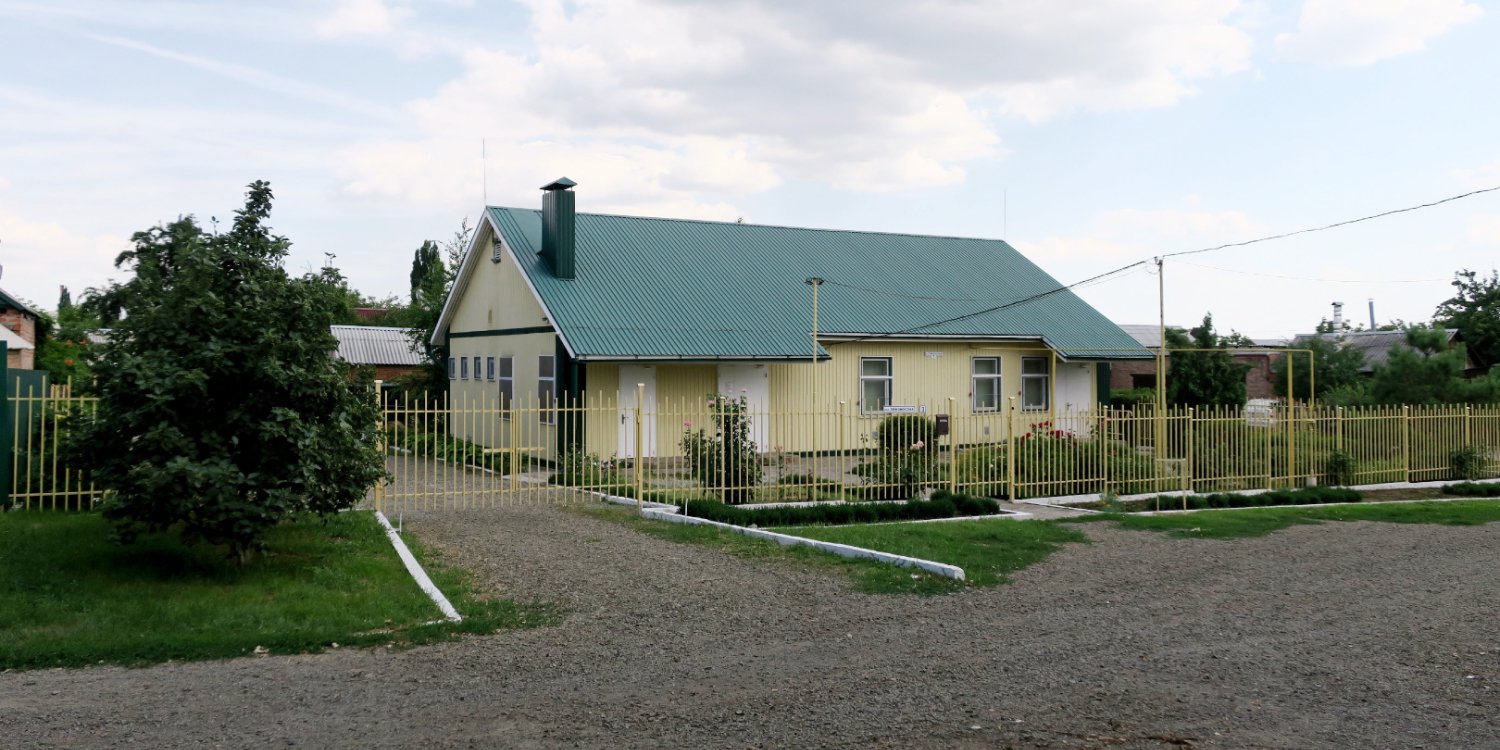
Property seized in the Rostov Region
Property seized in the Rostov Region
Moscow Seizes Property of European Jehovah's Witnesses. More Than 100 Sites in Various Regions of Russia Transferred to the State, in Violation of International Law
MoscowOn July 31, 2026, the Kuzminskiy District Court of Moscow satisfied the claim of the prosecutor's office and transferred to state ownership the real estate belonging to legal entities of Jehovah's Witnesses in seven European countries. Until 2017, thousands of believers used these buildings; now, many of them are abandoned and falling into disrepair.
'All the points presented by the prosecutor concern the ideological, not legal, aspects of the activity of Jehovah's Witnesses, which demonstrates a discriminatory approach,' commented a representative of one of the religious organizations in written objections to the claim. The prosecutor did not provide evidence that the disputed property was acquired illegally or used for extremist purposes.
The Moscow court determined the fate of 123 real estate properties in 21 regions of Russia. All were owned by legal entities of believers in Finland, Denmark, Austria, Spain, Portugal, the Netherlands, and Sweden. When, in 2017, the Supreme Court effectively banned Jehovah's Witnesses in Russia, European legal entities were denied participation in the proceedings, on the grounds that allegedly their rights were not affected. Now, 9 years later, the prosecutor's office has succeeded in confiscating their property. The cadastral value of the seized assets is about 415 million rubles (approximately 4.7 million euros); according to the defendant, the market value is much higher.
In June 2022, the European Court of Human Rights recognized the liquidation of the legal entities of Jehovah's Witnesses in Russia and the confiscation of their property as a violation of fundamental human rights. Under this judgment, the state is obligated to return the seized property or compensate its value. The current decision of the Moscow court directly contradicts the ECHR ruling.